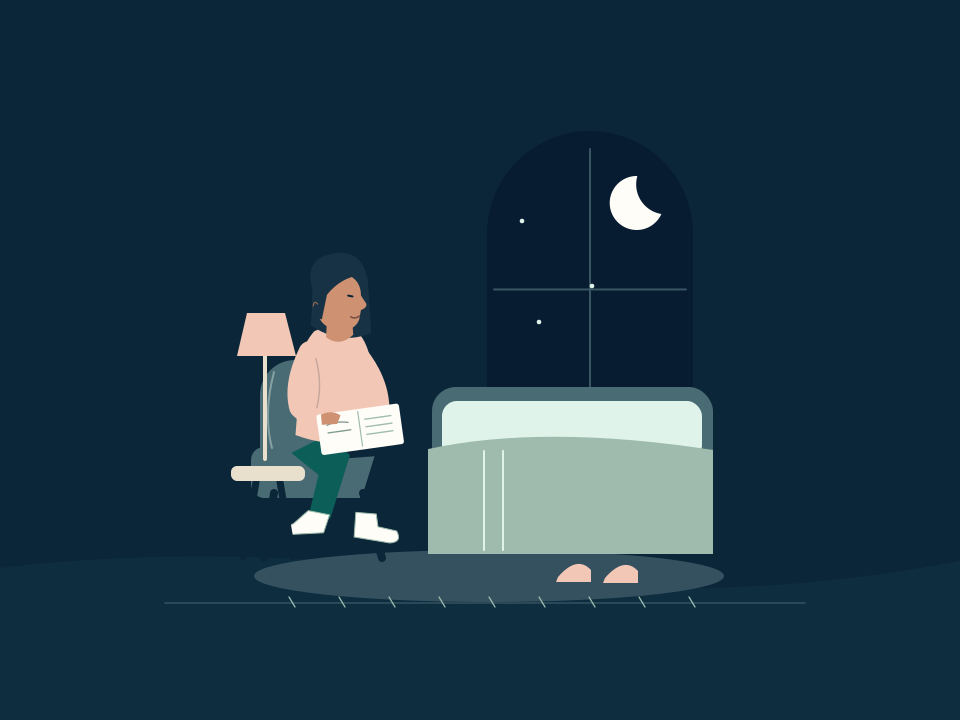
Different everyday changes
Sleep, eating, work and energy can all become part of the discussion. A single feeling does not describe everyone's experience of depression.
MENTAL HEALTH CARE

Low mood can change more than how you feel. Explore how changes in daily life, physical health and mood history fit into a depression conversation.
Some concerns need in-person care. This informational website does not send requests or schedule appointments.
A CLEARER PICTURE
Depression can affect thinking, sleep, appetite and everyday activities, and people do not all experience it in the same way. Understanding the course of these changes matters. A provider also considers medications and medical conditions that can produce similar experiences or complicate the picture.
Sleep, eating, work and energy can all become part of the discussion. A single feeling does not describe everyone's experience of depression.
Long-term illness and depression can affect each other. Some medical conditions and medication effects can also resemble or contribute to depressive symptoms.
A history of unusually elevated mood or increased activity can matter too. Low mood should not be interpreted in isolation from other mood changes.

HOW THE CONVERSATION TAKES SHAPE
Describe when changes began, how often they occur and which usual activities have become difficult. Brief notes can help convey the sequence.
Ask how physical health, current medicines and the wider mood history affect the assessment. An interview may be only part of that evaluation.
Compare possible care approaches in light of your needs and preferences. Choosing a plan can involve review rather than an instant final answer.
A page about depression cannot determine why someone's energy, sleep or mood has changed. Physical examination or testing may be relevant to an assessment. Public information about psychotherapy and medication explains options generally; it does not establish a diagnosis, a treatment recommendation or an Ozivita offering.
THE SERVICE-LEARNING LAB
Explore eight real-world questions about this care topic, then review clear explanations and useful questions for a care conversation.
Voluntary learning, not a symptom screen or medical advice. The score measures knowledge only—not your health, diagnosis or eligibility. No personal details; choices stay in this page only and clear when you leave.
CHOOSE A TOPIC
The interactive lab is not running. Read the same learning questions, answers and sources below; no answers are collected.
Interactive learning is optional. If it is unavailable, read this service’s eight questions, answers and sources below. No personal health answers are collected.
Correct answer: Depression can affect thinking, feelings, and everyday activities, not just sadness.
NIMH describes depression as a condition that can affect how a person feels, thinks, and handles daily activities. Not everyone has the same symptoms. Discussing sleep, interest, and functioning gives a fuller picture, but no single change in a hobby or routine establishes a diagnosis by itself.
Correct answer: Some medicines and medical conditions can produce symptoms resembling depression.
NIMH notes that certain medications and medical conditions, including thyroid disorders, can cause symptoms similar to depression. A provider may use an interview, examination, and tests to explore those possibilities. This is not evidence that the concern is imaginary, and it does not mean every person needs the same tests.
Correct answer: Some conditions include both depressive and elevated-mood episodes, so the broader history matters.
NIMH explains that bipolar disorder includes depressive episodes as well as manic or less severe hypomanic episodes. A clinician therefore needs more than a snapshot of a low day to understand the history. This question teaches why that history is relevant; it is not a way to identify bipolar disorder in yourself or another person.
Correct answer: They can coexist and worsen one another, so coordinated discussion can be useful.
NIMH describes depression occurring alongside conditions such as diabetes, heart disease, and chronic pain, with each potentially making the other worse. Medicines for a physical illness may also contribute to mood symptoms. A shared discussion can consider these overlaps without assuming one explanation accounts for every mental and physical concern.
Correct answer: Interpersonal therapy addresses relationships and life events linked with mood.
NIMH describes interpersonal therapy as focusing on relationships and life events that affect mood and vice versa. It can involve communication skills, social support, and realistic expectations. Understanding that focus helps distinguish therapy options; it does not promise that one approach will be effective for every person or every situation.
Correct answer: Psychotherapy, medication, or both may be considered according to the clinical situation and preferences.
NIMH describes psychotherapy, medication, or both as common depression treatments, with decisions shaped by needs, preferences, and the medical situation. Finding a suitable plan may involve trial and error. Learning about these options supports an informed conversation but does not determine a treatment recommendation or guarantee an outcome.
Correct answer: Different problems may improve at different times; one early change is not the whole response.
NIMH notes that problems with sleep, appetite, and concentration often improve before mood lifts during antidepressant treatment. That is a general pattern, not a promised timetable for an individual. Follow-up can consider several areas of change and side effects rather than judging the whole plan from one early observation.
Correct answer: When changes began, how often they occur, and how they affect usual activities.
NIMH suggests that notes about symptoms can help a visit and describes questions about onset, duration, frequency, and usual activities. These notes support the clinical conversation rather than replacing it. They are not collected by this learning lab, and a correct or incorrect quiz answer says nothing about a person’s mood or diagnosis.
KEEP THE CONVERSATION USEFUL
A useful mood history connects everyday changes with physical health, life context and the full pattern over time.
YOUR QUESTIONS, ANSWERED
Focused answers, with sources you can explore.
Yes. NIMH describes effects on how people think and manage everyday activities, including sleeping, eating and working. People may experience different combinations of changes. These descriptions cannot diagnose an individual.
Relationships and life events can influence mood. NIMH describes interpersonal therapy as one approach that focuses on those connections and communication. Learning what an approach addresses can support a discussion, without implying that this particular therapy is available through Ozivita.
Not necessarily. Public guidance notes that, with antidepressants, sleep, appetite or concentration may improve before mood does. That is a reason to discuss different changes during review, not a reason to judge or alter medication from this page.
These pages support understanding, not diagnosis, urgency assessment or eligibility. Keep personal health details out of this website.
EXPLORE ANOTHER TOPIC